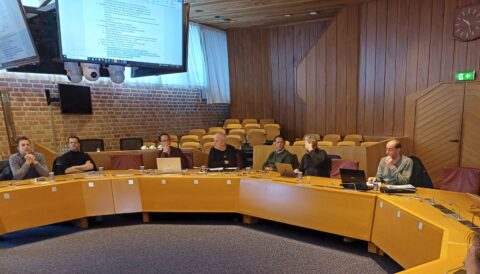
7 common mistakes when setting up a video studio (and how to avoid them)
Avoid costly mistakes and create a video studio that people actually use.
“We’ve invested heavily in our own video studio, but nobody dares use it. The lighting is too complicated, the audio quality isn’t great, and it takes at least an hour to get everything set up.”
It’s a frustration that our colleague Jacqueline Borremans, Business Consultant at AVEX, regularly hears from organisations that have built their own video studio.
The studio looks impressive. The equipment is high-end and the technology is professional. Yet the space is barely used.
The problem usually isn’t the equipment itself, but the choices made during the design and setup process.
As a Business Consultant, Jacqueline has spent more than ten years helping organisations create in-house video studios that are not only technically sound but, above all, easy to use. And she keeps seeing the same pattern.
“Around 80% of video studio problems are created during the design phase.” Jacqueline Borremans Business Consultant AVEX
Not because the technology falls short, but because the end user isn’t given enough consideration.
In this article, you’ll discover:
- The 7 most common video studio design mistakes
- Why these mistakes lead to wasted time, money and frustration
- How to avoid them
- A practical checklist for creating a studio that actually gets used
By the end of this article, you’ll know exactly what to look for when designing or improving an in-house video studio and avoid the costly decisions many organisations later regret.
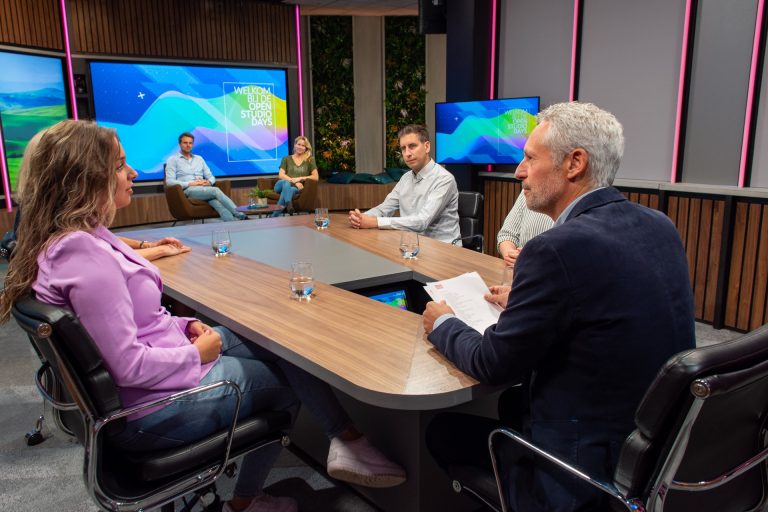
Why that marketing director would make different choices today
During a consultancy session, a marketing director enthusiastically told us about the new video studio his organisation had built.
“We wanted to look professional, so we chose the best cameras, an extensive lighting setup and a professional mixing desk. Everything a real studio needs.”
On paper, it sounded like the perfect solution. Reality told a different story. Nobody in the marketing team had experience with professional video equipment. The first recording session took hours before everything was working correctly. Soon afterwards, the studio became increasingly underused. Later, he told Jacqueline:
“We shouldn’t have started by asking which equipment was best. We should have started by asking who would be using the studio.”
And that’s exactly where things often go wrong. Many video studios are designed around technology, when it’s actually the user who determines whether the studio will be successful.
The 7 most common mistakes when setting up a video studio
Across the projects we support, we see the same pitfalls time and time again. These are the 7 most common mistakes organisations make when setting up their video studio:
Mistake 1: Making it too complex for users
Mistake 2: Ignoring poor acoustics
Mistake 3: Choosing the wrong room
Mistake 4: Not planning for growth
Mistake 5: Treating lighting as an afterthought
Mistake 6: Overlooking the workflow
Mistake 7: Skipping training and support
The real costs of a poorly designed studio
The real cost of a poorly designed studio These mistakes cost far more than money alone. Based on our experience, the real impact often includes:
- Financial costs: Organisations spend an average of 40% more on adjustments and fixes than on the original installation.
- Lost productivity: Teams that avoid their studio due to complexity typically miss 3 to 5 content opportunities per month.
- Reputational damage: Poor audio or lighting during important webinars and presentations can damage your professional image.
- Reduced engagement: Nothing is more frustrating than investing in tools that people can’t or won’t use.
How do you avoid these mistakes?
The good news is that most of these issues are entirely preventable.
The organisations that get the most value from their video studio don’t start with technology. They start with the people who’ll be using it.
Start with your use cases:
Before choosing equipment, define exactly what you’ll be creating: CEO messages, training videos, webinars, interviews or podcasts. Each use case requires a different setup.
Design for your least technical user:
Assume your marketing team should be able to operate the studio without depending on IT or AV specialists. Let that principle drive your technology choices.
Test with real users:
Before the studio is considered complete, allow people to try it in practice. Refine the setup based on user feedback rather than technical specifications alone.
Plan for growth:
Create a studio that can evolve with your ambitions, from basic recordings to livestreaming and multi-camera productions.
Your practical next steps
Use these three steps to improve your studio straight away.
Step 1
- Identify your current studio frustrations (or requirements if you’re planning a new studio)
- List everyone who’ll be using the studio and assess their technical skill level
- Define your top three use cases for the next 12 months
Step 2
- Test your current audio quality by making a recording and reviewing it critically
- Review your space in terms of size, acoustics and lighting conditions
- If you’re unsure, schedule a professional studio assessment
Step 3
- Implement improvements step by step, starting with the biggest bottlenecks
- Train your team on new equipment before going live
- Review and optimise the setup quarterly based on actual usage
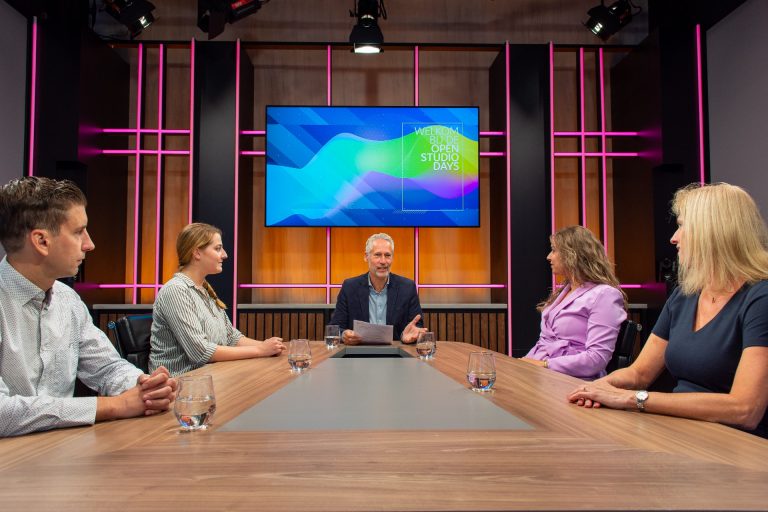
The choice is yours, but don’t make it without a clear plan
You now know the seven most common video studio design mistakes, why they create so much cost and frustration, and how you can avoid them with a user-first approach.
Too often, organisations invest in a beautiful studio that ends up barely being used because it’s too complicated or doesn’t fit day-to-day needs.
At AVEX, we’ve been delivering audiovisual solutions for more than 35 years. We help organisations, from hospitals to financial institutions, build studios that aren’t just technically sound, but genuinely easy to use and effective for communication.
Want to make sure your studio doesn’t become an expensive mistake?
Book a no-obligation studio assessment with a member of our team. We’ll help you evaluate your current or planned setup and provide practical recommendations for making the right choices.
AVEX: your partner for a studio that actually gets used
At AVEX, we look beyond the technology. We help organisations avoid the costly mistakes that others often make.
Together, we’ll create:
- A studio your team can operate with confidence
- A setup that grows with your ambitions
- Training and workflows that ensure the studio delivers real value
A well-designed studio can transform the way your organisation communicates and continue delivering value for years to come.
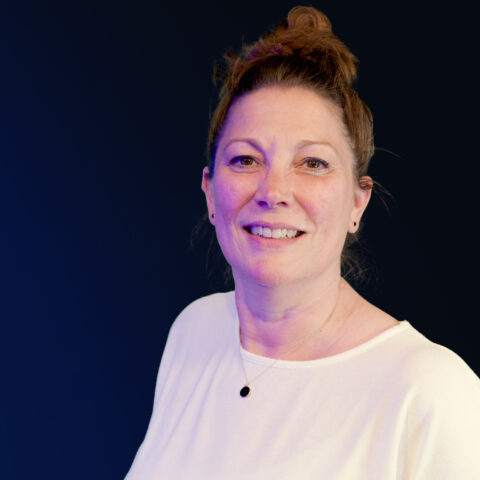
Jacqueline Borremans
Business Consultant

Publication date
05 September 2025
Updated date
25 August 2026
Sector
All Sectors, Central Government, Culture, Sports & Recreation, Education, Financial & Professional Services, Government, Healthcare, Hospitality, Local Government, Public Safety & Security, Retail, Trade & Industry
Solution
In-House Studios
Keep discovering